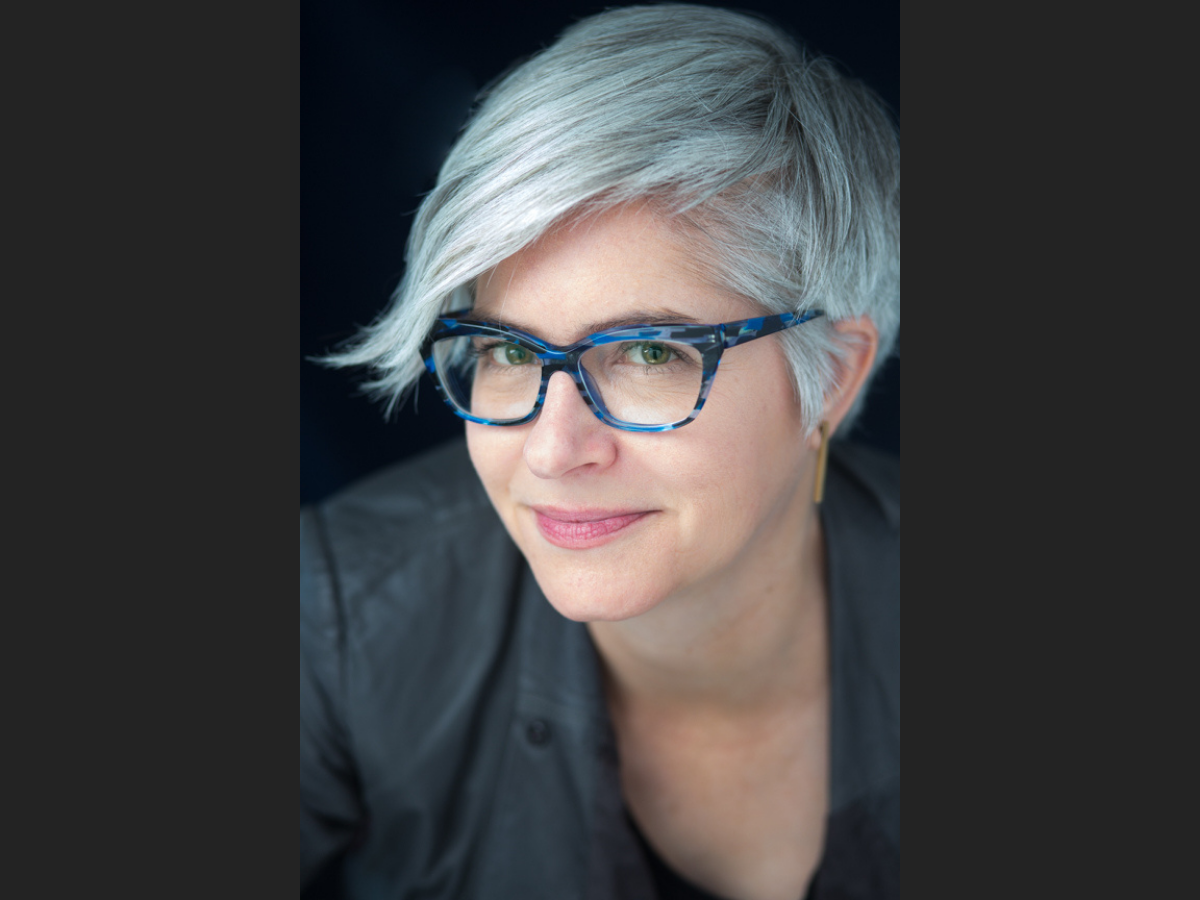
Ann Harlow gave an illustrated talk on June 20th at the Berkeley Hillside Club on “Berkeley Women Artists, 1900–1920.” She retired in April from the presidency of the Berkeley Historical Society and Museum after four consecutive years in the position; now she is the board secretary, as well as the publicist, co-webmaster, office coordinator and a docent.
Jennifer Taylor, founder and editor of East Wing Magazine, an online publication about US first ladies, interviewed Elizabeth Thacker-Estrada for the article, “In Defense of Mary Lincoln.” Liz provided background information on the status of women during Mrs. Lincoln’s lifetime. Published on July 8th, the article details an interview with Lois Romano, the author of the recently published New York Times bestselling book An Inconvenient Widow: The Torment, Trial, and Triumph of Mary Todd Lincoln. Liz and IHS member Patricia Southard will be presenting the Monthly Program, “First Ladies and Women’s Rights: Mary Lincoln to Mary McElroy, 1861 to 1885” in March 2027. Mrs. McElroy was the sister of widowed president Chester Arthur.
An article by Liz Schott, “California's First Incubator Baby? The Remarkable Life of Dorothy Wright Liebes” was published in the Spring issue of Sonoma Historian, the journal of the Sonoma County Historical Society.
Three Institute members contributed brief articles to NOTUS (News of the United States), a nonpartisan politics and policy publication, for a special semiquincentennial 4th of July forum. In responding to the question “Name a person who changed American history, but who most of us have never heard of,” Peter Meyerhof wrote about scholar Donald Robertson, who schooled President James Madison, the “Father of the Constitution,” in the ideas of the Scottish 12 Enlightenment; Katya Miller wrote about the Statue of Freedom, which stands atop the US Capitol building; and Jody Offer wrote about Biddy Mason, who successfully petitioned for her freedom from slavery in 1856 and became a nurse, real estate entrepreneur, philanthropist, and Church founder. The publisher is finalizing the list of contributors.
Merle Easton, former president of the Victorian Alliance and a retired architect, has joined the Institute. Raised in Sitka, Alaska, she received her BA in architecture from the University of Washington in 1966 and went on to work at numerous architectural firms in Philadelphia before heading to San Francisco in 1979 to continue her career in the Bay Area. She is currently focused on her memoir, Full House: The Life and Times of a Gender-Breaking Architect in the 1960s–80s, being ghost-written by IHS member, writer, and book editor Rose Marie Cleese. Merle lives in a vintage Victorian just east of the Anza Vista neighborhood.
On April 18th, Leslie Friedman’s latest book, Coming Home to India: A Dancer’s Odyssey, was launched at Stanford University’s annual “A Company of Authors” event. Her book chronicles her adventures performing throughout India on a three-month tour supported by the Fulbright Lectureship and an extension of the tour to Sri Lanka, Egypt, and Tunisia sponsored by the US State Department. Her unique dance performances, emphasizing movements, music, and expression, led every country she visited to invite her back. IHS member Peter Stansky raved, “I much enjoyed reading your book. Wonderful and insightful times in India!” For more information or to purchase a copy, go to the New Books page of the Lively Foundation.
—Rose Marie Cleese


 California has deep local histories but no shared pipeline that takes an oral history interview from consent, transcript,